South Korea’s Financial Services Commission (FSC) has begun discussing plans for a new legislative proposal for digital assets to “promote innovation” and “ensure the protection of users”.
South Korea’s regulatory mandate has evolved through the Act on Reporting and Using Specified Financial Transaction Information, which requires virtual asset service providers (VASPs) to register with the authority and comply with anti-money laundering requirements.
It has also largely been based on the Act on the Protection of Virtual Asset Users, providing rules against asset-related and unfair trading activities.
The FSC says this current two-track regulatory approach has been inadequate in creating conditions for a healthy digital asset ecosystem and industry.
The South Korean government has subsequently declared the need for a more comprehensive regulatory framework a “key national policy initiative” and has held a series of meetings, discussions, and debates with industry officials, experts, and relevant organisations relating to the matter.
It is working with the Virtual Asset Committee and the National Assembly to draft a satisfactory legislative bill.
The proposed regulation will consist of three parts: promoting opportunity and innovation for the industry, fostering a fair and efficient market, and establishing a safe, trustworthy environment.
The government intends to diversify digital asset service provider categorisation in line with the four functions — trading, brokerage, custody and storage, and investment management — and a separate category for digital asset platform service providers, aiming to give businesses “more leeway” to adopt global operating models.
Companies will need a licence for their operations, on par with the requirements for financial companies, and subject to the same equity capital, personnel and facilities, business plan, and major shareholder and executive eligibility mandates.
Businesses handling all types of digital assets will need a minimum of 2 billion Korean won (US$1.48 million) in equity capital; those working exclusively with stablecoins will need half that, and digital asset investment management service providers, which do not directly custody or transfer users’ assets, require at least KRW500 million.
Stablecoins with a minimum issuance balance of KRW1 trillion may be designated as “systemically important” by the FSC, and therefore be subject to more rigorous equity capital requirements and strengthened reserve asset liquidity management.
The Bank of Korea may also partake in a joint examination of a systemic token’s issuer.
A maximum shareholding limit of 20 per cent may be introduced for digital asset platform service providers — in line with the alternative trading system requirements — although that can be raised to 34 per cent under an exceptional presidential decree, with FSC approval.
Illegitimate share ownership exceeding these limits will result in prohibited voting rights.
However, newly designated digital asset platform service providers will be granted a grace period of three years, with a total of six years potentially available to small and medium-sized firms.
Initial coin offerings will be permitted domestically, so long as sufficient information is disclosed and the issuer or broker produces a white paper on the asset for the FSC.

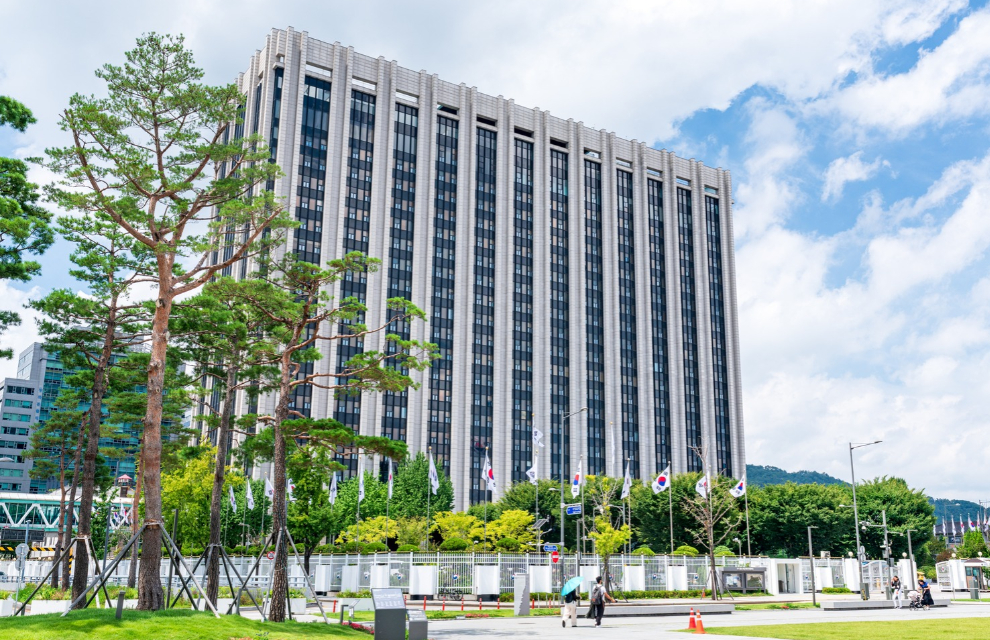 Image: SEUNGJIN/stock.adobe.com