DeFi Technologie
Andrew Forson
Jun 2025
With restricted repo rails and daily NAV mismatches, coupled with AI agents propelling autonomous settlement, Andrew Forson, president of DeFi Technologies, talks to Matthew Challis about the execution hurdles tokenised capital must overcome
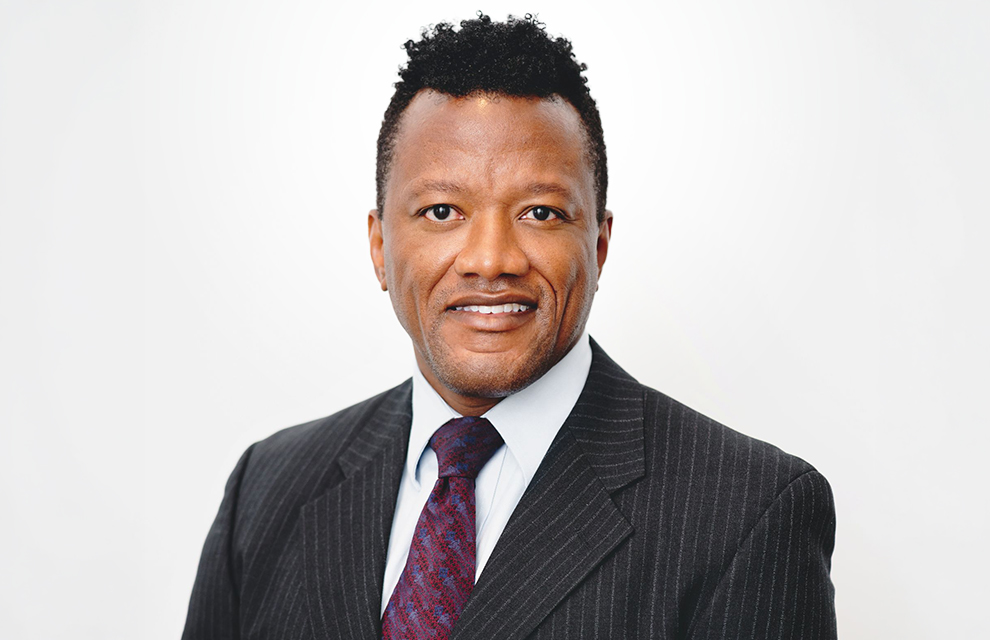 Image: DeFi Technologie
Moving sovereign debt to continuous T+0 blockchain rails changes liquidity velocity. How do you prevent this from fragmenting traditional overnight repo markets, where primary dealers rely on clearing windows to optimise balance sheets?
Before answering this question, one must have a clear understanding of what tokenising sovereign debt actually means.
There are three main approaches to the tokenisation of Sovereign Debt.
Tokenisation to native chains at bond issuance will impact repo markets inasmuch as this new class of digital bond cannot legally be used as collateral in repurchase agreements.
You have argued that the real bottleneck is the execution infrastructure, not tokenisation itself. Can crypto-native market makers provide the depth needed for sovereign-grade block trades without requiring capital to leave qualified bank custody?
The line between crypto native and institutional market makers is blurring.
With the advent of stablecoins and comfort holding the native tokens which are used to execute and secure transactions on the chains on which the bonds are issued, liquidity is increasingly available.
Banks are also bringing more liquidity onchain through the issuance of tokenised money market funds.
State Street’s SAQL ETF drew anchor backing from Saudi Arabia’s PIF this year. If a fund like that were tokenised, what changes for the anchor investor in practice, and what would still have to sit offchain in the existing fund structure?
Surprisingly little will change for the anchor investor. NAV and fund administration will remain offchain and the tokenisation will likely be of an SPV holding fund units given the fund is not natively issued as a token but rather a pre-existing vehicle.
DeFi Technologies works across data, AI and finance. As AI agents begin initiating transactions and managing exposures autonomously, where do tokenised instruments fit? As the settlement layer, as collateral, or as hedge instruments calibrated to a given risk profile?
Tokenised instruments can more easily be transacted by AI agents.
The most likely pathway will include settlement using programmable money.
The driver of these transactions may not even include human initiation.
The x402 protocol and projects like SealCoin, backed and powered by the QAIT token, are prime examples of the machine-to-machine economy that can more reliably transact and settle using tokenised instruments.
Traditional funds calculate NAV once daily, but tokenisation introduces 24/7 pricing. How do institutional treasuries manage tracking errors and arbitrage risks when the underlying physical asset basket isn’t actively trading?
When underlying physical assets are illiquid, spreads between buyers and sellers increase to reflect this increased liquidity risk. Institutional treasuries can manage liquidity risk using traditional means, and from an accounting perspective, there are treatments for dealing with the marketability (or lack thereof) of securities or traded assets. The advent of 24/7 trading and tokenised assets generally gives another vector for price discovery and potentially new pools of liquidity.
As digital infrastructures link financial hubs like Singapore and Hong Kong, regional regulatory frameworks remain sandbox-dependent. How do asset managers navigate these disparate compliance jurisdictions without sacrificing smart contract composability?
Asset managers focus on investing in assets that are registered within operational jurisdictions that have clear, consistently applied regulatory frameworks and liquidity.
Focusing attention on sandbox jurisdictions introduces risk. Assets listed in these jurisdictions tend to be of limited scale.
In short, if the markets are not established and operational with liquidity, it is unlikely an asset manager will focus significant capital there.
Looking across regulation, market infrastructure, and the broader institutional landscape, what needs to happen next for tokenised fixed income and ETPs to move from a parallel track into the core of how these markets actually operate?
Interoperability and liquidity are the keys to success.
If tokens cannot be transferred within markets and there are insufficient pools of capital, market makers, and trading volume for the tokenised assets, adoption will be low.
Access to onboarding capital via stablecoins and other digital money must be legal and widely available.
← Previous interview
Jump Crypto
Richard Patel
Next interview →
B2PRIME Group
Alex Tsepaev